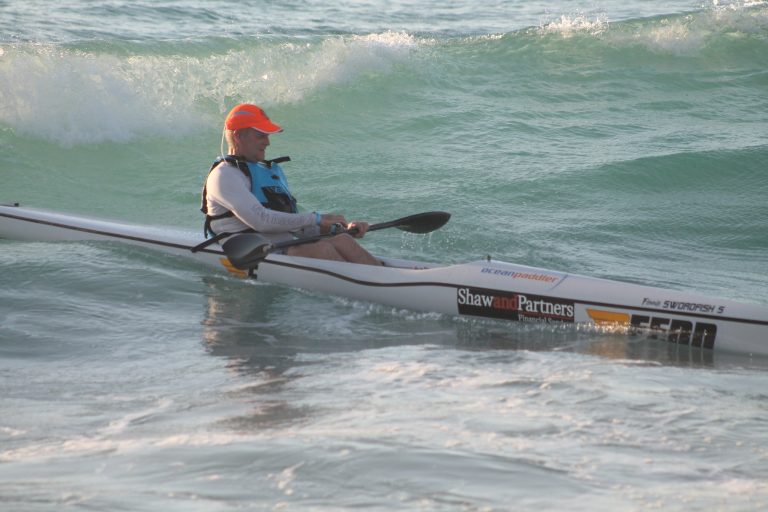

How to Improve Your Paddle Technique
Tips for Stronger Posture and Better Body Positioning
At PaddleFit Perth, we know that good technique goes beyond just perfecting your paddle stroke—it’s about aligning your whole body to work in harmony. Proper body posture and positioning are crucial for maximizing power, improving efficiency, and preventing injury. Whether you’re paddling in calm waters or on the waves, body position plays a huge role in how you perform.
In this blog, we’ll share our top tips for improving your body position while paddling, helping you become a more efficient and confident paddler.
Feet & Legs: Active Feet for Stronger Paddling
Your feet and legs are the foundation of your paddle stroke. They may seem like the least important part, but they actually play a crucial role in generating power.
- Engage Your Feet: Keep your feet active, pressing against the foot straps or the footboard to stabilize your body.
- Drive with Your Legs: Your legs should be doing most of the work. As you pull your paddle through the water, press with your legs and rotate your hips to drive power through your body.
By using your legs to push and rotate, you’ll engage your larger muscle groups, which helps prevent fatigue and makes paddling more efficient.
Hips & Torso: The Importance of Posture and Rotation
A tall posture and hip rotation are key to moving efficiently through the water. Many paddlers make the mistake of relying too much on their arms and shoulders, which leads to fatigue and poor technique.
- Sit Straight: Keep your back straight and avoid slouching. This helps maintain a strong, stable core and prevents unnecessary strain on your back.
- Rotate Your Torso: Instead of just moving your arms, focus on rotating your torso. This creates a more powerful stroke, as it engages your entire body.
By engaging your torso and hips, you create a full-body paddling technique that’s much more effective than just using your arms.
Shoulders & Arms: Relaxation is Key
While it may seem counterintuitive, relaxed shoulders and long arms are essential for good paddling technique.
- Relax Your Shoulders: Tension in the shoulders can cause unnecessary strain and affect your stroke efficiency. Keep your shoulders relaxed, especially during the recovery phase.
- Long Arms: Focus on keeping your arms long and extended during the recovery. This creates a smooth, controlled stroke and helps set you up for the next catch.
Relaxed shoulders and long arms also help prevent injury and make paddling feel more effortless.
Putting It All Together: The PaddleFit Perth Way
At PaddleFit Perth, we emphasize that proper technique isn’t just about one part of your body working well—it’s about everything working together. When your body is aligned, with active feet, strong rotation, and relaxed shoulders, your paddle stroke becomes more efficient, powerful, and fun.
Final Tips
- Engage Your Whole Body: Focus on using your entire body, not just your arms. The more muscles you use, the less energy you’ll burn.
- Focus on Posture: Tall, straight posture is essential for effective rotation and reducing strain on your back.
- Keep Practicing: Good body position takes time to master. Be patient, and keep practicing. The more you refine your posture, the easier paddling will become.
PaddleFit Perth believes that everyone can paddle, and good technique is the key to enjoying the water. So take your time, focus on your body positioning, and enjoy the ride!