From Arms to Core: How Better Rotation Transforms Your Paddling Technique
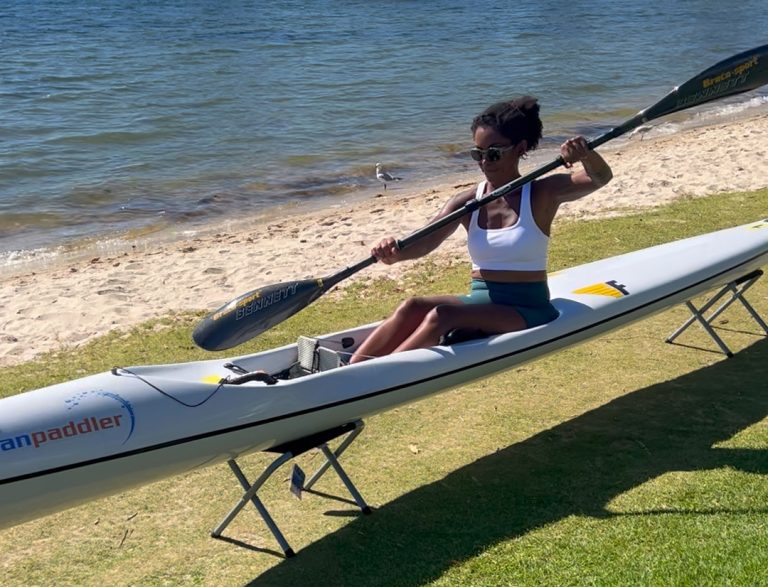
One of the most common things we see on the water is paddlers working too hard with their arms and not enough with their body. The result is predictable: fatigue, tension, and inconsistent strokes.
The solution is simple but powerful, core rotation.
Why This Shift Matters
Moving from arm-driven paddling to body-driven paddling:
- Reduces strain on shoulders
- Improves balance
- Increases endurance
- Creates smoother rhythm
It changes how paddling feels entirely.
How to Build Proper Rotation
Good rotation is not big or forced. It’s controlled and natural.
Focus on:
- Sitting tall
- Turning from the hips
- Letting the core guide movement
- Keeping arms relaxed
Think: turn first, then pull.
Simple Land-Based Training
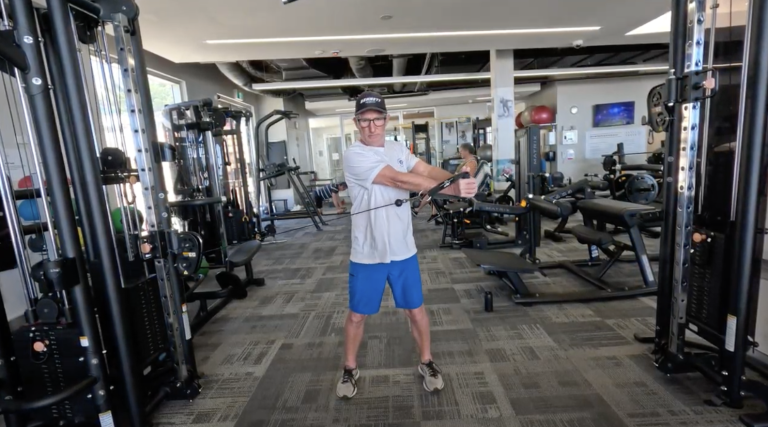
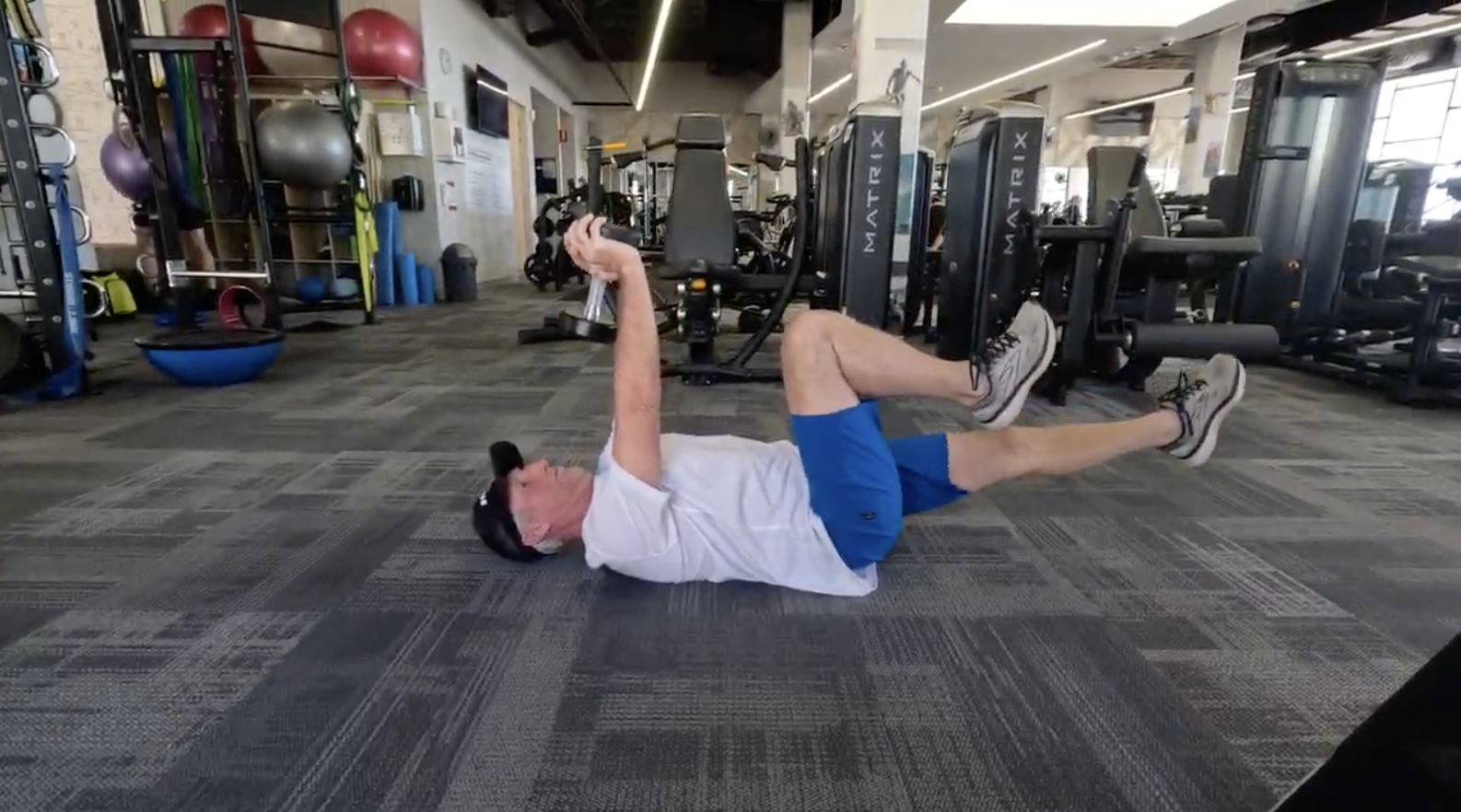
You can train rotation off the water:
Seated Twist
- Sit tall
- Rotate side to side slowly
- Stay controlled
Russian Twists
- Keep posture strong
- Rotate smoothly left and right
- No rushing
Plank with Rotation
- Maintain strong core
- Rotate gently side to side
- Stay stable through the middle
Medicine Ball Turns
- Hold a light object
- Rotate through your torso
- Keep posture upright
These help your body learn connection before you hit the water.
On-Water Application
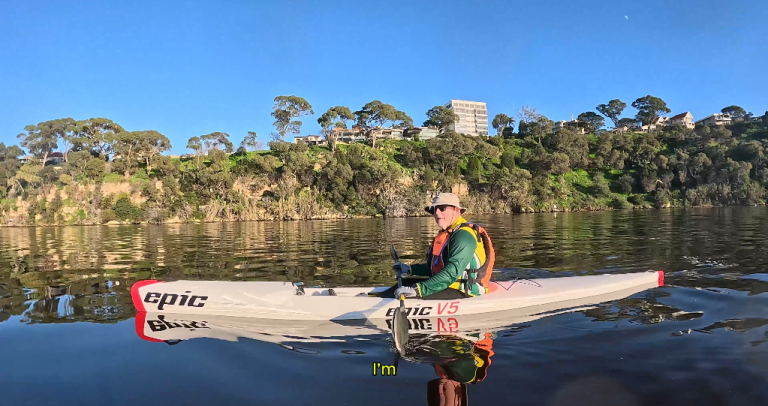
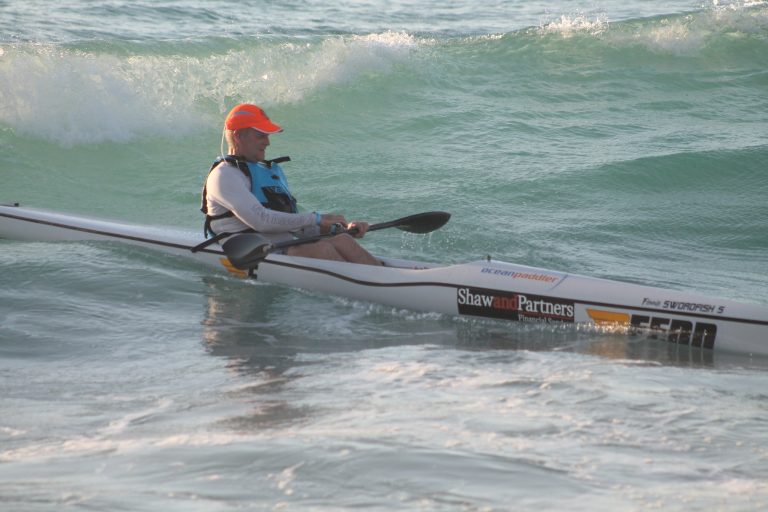
When paddling:
- Sit tall
- Reach forward with control
- Rotate through your body
- Let arms follow naturally
The key cue:
👉 Turn first, then pull.
Common Mistakes
- Using only the arms
- Over-twisting the body
- Forcing movement instead of flowing with it
Rotation should feel smooth, not forced.
PaddleFit Perth Tip
Good rotation should feel:
- Natural
- Balanced
- Easy to repeat
If it feels uncomfortable, slow down and reset.
Stay controlled.
Stay connected.
Let your body lead the stroke.
That’s the PaddleFit Perth way.