Why Paddling Feels Hard: The Most Common Technique Mistakes Holding You Back
If paddling feels tiring, unstable, or frustrating, it’s rarely because you’re “not strong enough.” Most of the time, it comes down to technique habits that make paddling harder than it needs to be.
The good news? These habits are easy to change.
Hard Doesn’t Mean Wrong, It Means Something Needs Adjusting
When technique isn’t working well, paddlers often feel:
- Out of breath quickly
- Sore through shoulders or back
- Unsteady on the water
- Mentally tense
These are signals, not failures.
Mistake: Power Over Control
Trying to paddle harder instead of better often leads to:
- Arm-only paddling
- Rushed strokes
- Loss of rhythm
Strong paddling comes from controlled movement, not force.
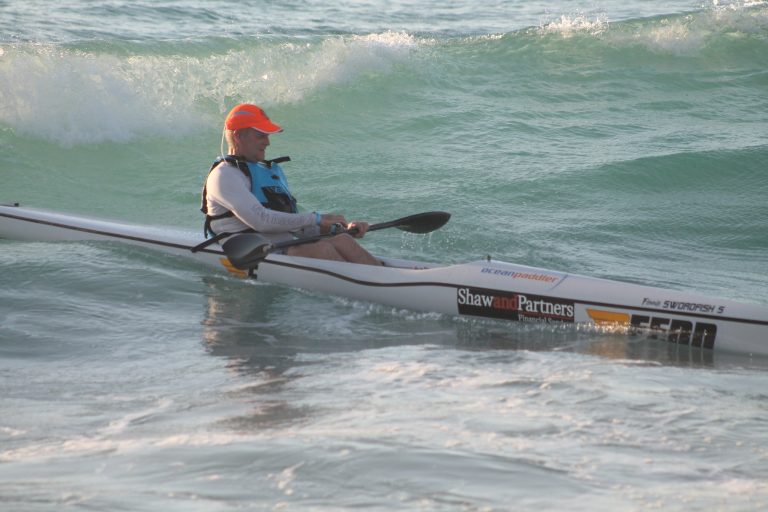
Mistake: Poor Sitting Position
Slouching or collapsing through the body:
- Reduces balance
- Limits rotation
- Makes every stroke harder
Sitting tall creates space for better movement.
Mistake: Tension in the Body
Holding tension:
- Limits balance
- Disrupts breathing
- Increases fatigue
Relaxation improves control.
What to Focus on Instead
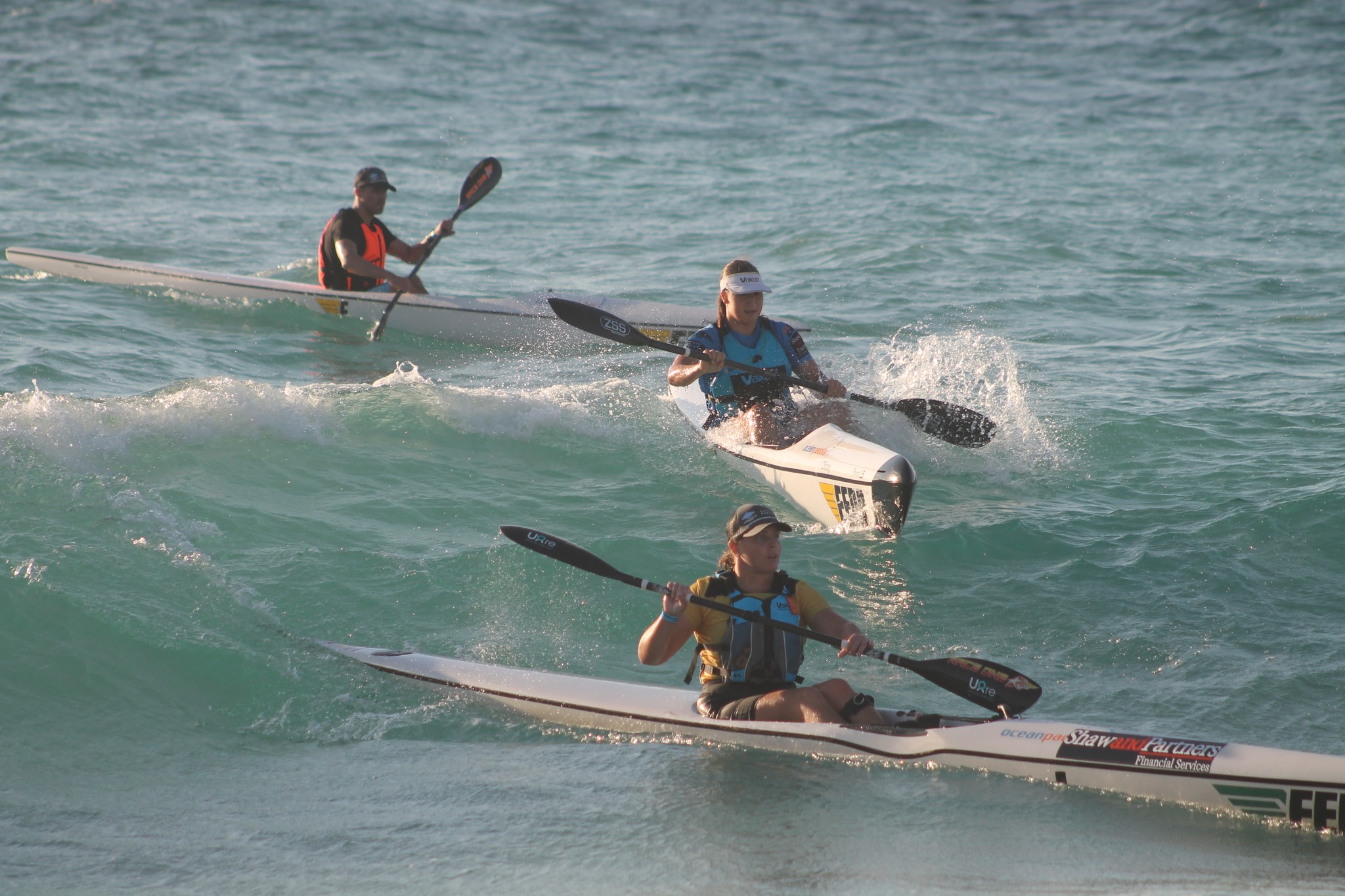
- Sit tall with relaxed shoulders
- Use your body, not just your arms
- Keep strokes smooth and unhurried
- Breathe steadily
When technique improves, paddling feels lighter almost immediately.
PaddleFit Perth Tip
If paddling feels hard:
- Slow down
- Check posture
- Relax the shoulders
- Focus on smooth movement
Technique first. Always.
Learn smart.
Paddle better.
Have more fun.