Guide to Surf Ski
Guide to Surf Ski

A Practical Guide to Surf Ski Paddling Technique and Ocean Awareness

A Practical Guide to Surf Ski Paddling Technique and Ocean Awareness

Surf ski paddling is one of the most exciting and demanding paddle sports. It combines speed, endurance, balance, and ocean knowledge into one dynamic experience. Whether you are new to surf ski paddling or looking to improve performance, understanding technique and ocean awareness is essential for paddling efficiently and confidently in open water.

This guide breaks down the key elements every surf ski paddler should understand to paddle stronger, safer, and with less fatigue.

What Is Surf Ski Paddling

Surf ski paddling is an open water paddle sport performed on a long, narrow craft designed for speed and stability in ocean conditions. Unlike flatwater paddling, surf skis are built to handle wind, swell, and chop, making them ideal for downwind paddling, ocean racing, and long distance sessions.

Because surf skis respond directly to water movement, success in surf ski paddling relies on more than fitness alone. Technique and ocean awareness play a major role in overall performance.

Why Ocean Awareness Matters in Surf Ski Paddling

Ocean awareness is the ability to read and understand changing conditions such as wind direction, swell patterns, surface texture, and currents. Strong surf ski paddlers learn how to work with these elements rather than fight them.

Improved ocean awareness allows paddlers to choose better lines, link runs during downwind paddling, and conserve energy over long distances. It also improves balance and control, especially in rough or unpredictable conditions.

Key Technique Principles for Surf Ski Paddling

Proper technique is critical for efficiency and injury prevention. Small adjustments can make a significant difference in speed and endurance.

Paddle Catch and Entry

A clean paddle catch sets the foundation for each stroke. Entering the water close to the feet with a stable blade allows you to apply power efficiently without overloading the shoulders.

Rotation and Power Transfer

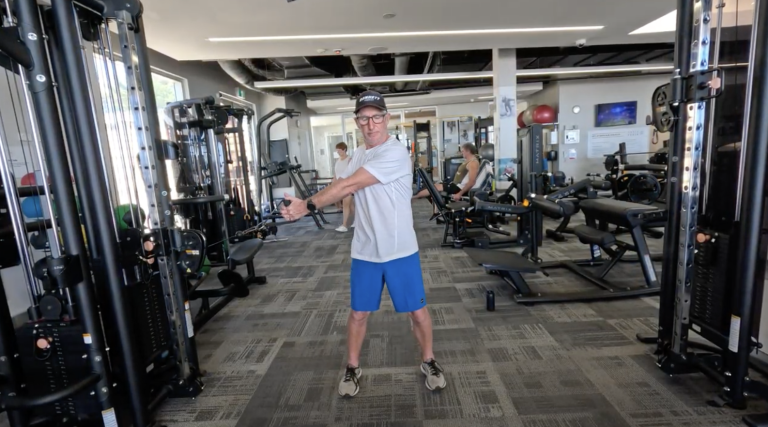
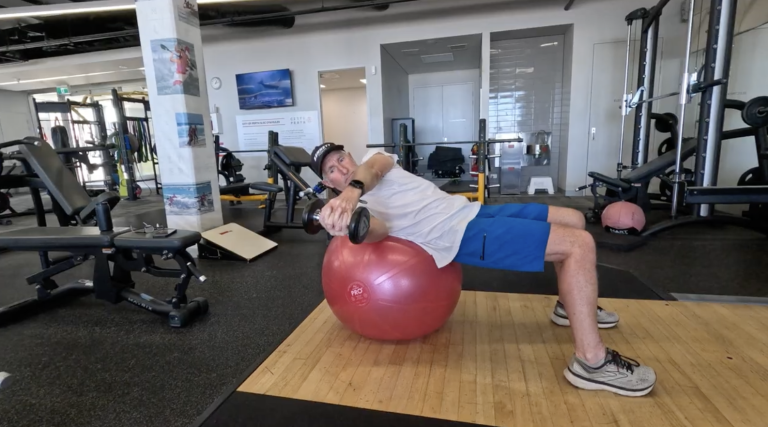
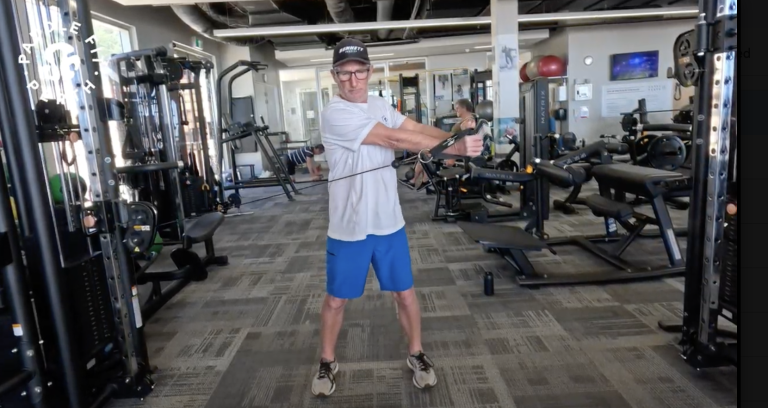
Effective torso rotation engages larger muscle groups rather than relying on the arms alone. This improves power output and reduces fatigue during long paddles or races.

Timing With the Water

In surf ski paddling, timing is just as important as strength. Learning when to apply power based on swell movement helps maintain speed and flow, especially during downwind conditions.

Safety Considerations for Open Water Surf Ski Paddling

Safety is a critical part of surf ski paddling, particularly in open water environments. Understanding how conditions can change helps paddlers make better decisions before and during a session.

Ocean awareness improves stability, energy management, and confidence when conditions become challenging. It also helps paddlers recognise when to push and when to conserve effort.

Improving Your Surf Ski Paddling Performance

Progress in surf ski paddling comes from consistent practice, feedback, and a willingness to refine small details. Technique improvements combined with better ocean awareness lead to smoother paddling, improved speed, and greater confidence in all conditions.

Whether your goal is surf ski racing, downwind paddling, escort paddling, or recreational ocean sessions, investing time in skill development will elevate every paddle.

Final Thoughts on Surf Ski Paddling

Surf ski paddling is a sport where learning never stops. The ocean is always changing, and every session offers an opportunity to improve technique, awareness, and control. When knowledge, practice, and experience come together, paddling becomes more fluid, efficient, and enjoyable.

If you are ready to deepen your surf ski paddling skills and build confidence on the water, guided coaching and structured training can help you reach your next level.

See you on the water,
Mark

Published Blog Posts

From Stiff to Smooth: Mastering Body Position and Rotation for Better Balance on the Water

Feeling stiff or unstable while paddling is common, especially for newer paddlers. Often, the issue isn’t balance itself—it’s posture and rotation. At PaddleFit Perth, we help paddlers move from...

Paddle With Your Whole Body: Why Body Position and Rotation Matter More Than Arm Strength

Many paddlers believe that stronger arms mean stronger paddling. At PaddleFit Perth, we see the opposite happen all the time—arm-dominant paddling leads to early fatigue, sore shoulders, and...

How to Paddle Stronger With Less Effort

At PaddleFit Perth, we believe that strong paddling starts with how you sit and how you move. Before speed, before power, before effort—there’s body position and rotation. When these two things work...

From Splashy to Smooth: Mastering Exit & Recovery for Better Rhythm on the Water

A smooth paddling rhythm doesn’t come from speed. It comes from how well you finish one stroke and set up the next. Exit and recovery are what turn individual strokes into a flowing sequence...

Paddle Longer Without Fatigue: Why Exit and Recovery Matter More Than You Think

Many paddlers focus heavily on the catch and drive, then rush through the finish of the stroke. Over time, this leads to wasted energy, tight shoulders, and early fatigue. Exit and recovery are what...

Exit & Recovery Explained: How a Smooth Finish Makes Every Paddle Stroke Easier

Strong paddling doesn’t stop when the power phase ends. In fact, some of the most important moments of a paddle stroke happen right at the finish. That’s where Exit and Recovery come in...

From Arms to Core: Why the Drive Phase Is the Key to Safe, Balanced Paddling

One of the most common things we see at PaddleFit Perth is paddlers doing all the work with their arms. It’s tiring, it’s hard on the shoulders, and it limits how long you can stay on the water...

How to Paddle Stronger Without Getting Tired: Mastering the Drive Phase

If paddling feels exhausting, rushed, or heavy, the issue often isn’t fitness—it’s technique. More specifically, it’s how you’re using the Drive Phase of your paddle stroke. At PaddleFit Perth, we...

The Drive Phase Explained: How to Generate Power with Smooth, Full-Body Paddling

At PaddleFit Perth, we often remind paddlers that power doesn’t come from pulling harder—it comes from moving better. The Drive Phase is where your ski actually moves forward, and when done well, it...